
Most vloggers don’t start with a studio in mind. We begin wherever there’s space next to a window, at a desk, sometimes balanced between a bed and a tripod. We buy a camera, maybe add a light, and expect the footage to look “cinematic” instantly. But it usually doesn’t.
What we’ve learned over time is that lighting isn’t about how much gear you own. It’s about control. Where the light comes from. Where it doesn’t go. And whether you can repeat the setup without thinking about it every single time.
With a small vlogging kit and a bit of intention, it’s absolutely possible to get footage that feels polished and deliberate, even in a tight room.
Step 1: Start With Your Space, Not Your Gear
Before setting up lights, we look at the room. Where do we naturally sit or stand when filming? That decision affects everything else.
Windows are helpful, but only if we understand how the light shifts throughout the day. Walls matter too. White walls bounce light softly. Dark walls absorb it, increasing contrast.
Once the camera position is locked, lighting decisions become clearer. Trying to light first and frame later usually creates problems.
Step 2: Build a Simple Cinematic Lighting Kit
A cinematic vlog setup doesn’t require a full studio, just a simple kit you can control and repeat.
Your Key Light (The Main Light on Your Face)
The key light does most of the heavy lifting. Continuous LEDs work best because we can see changes instantly. Brightness control and adjustable color temperature make them flexible in different rooms.
Softness is non-negotiable. A diffused camera light will almost always look better than a bare, powerful source. Softboxes, diffusion panels, or even simple DIY diffusion can dramatically improve skin tones.
Optional Fill and Background Lights
Fill light doesn’t need to be obvious. Often, a white wall or foam board opposite the key light is enough to naturally lift shadows.
Background lighting creates separation. A small light aimed at a shelf or wall adds depth without drawing attention. Subtle RGB lighting can work here, but only when it stays secondary to the face.
Stands, Mounts, and Small Accessories
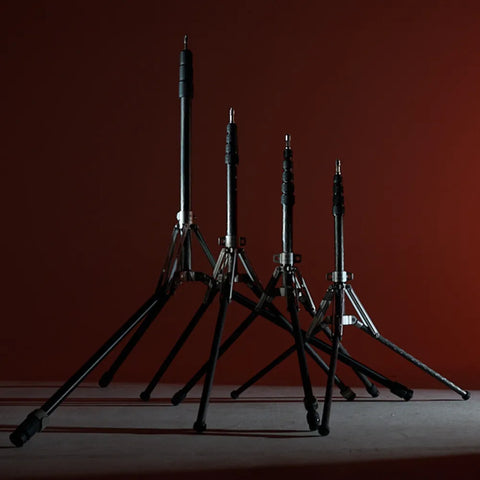
Compact stands, or a simple LED light stand, keep setups manageable. Reflectors don’t have to be fancy. Some of the most useful ones are improvised.
Build the kit around one great key light first, then add fill, background, and small accessories only if they make your shots more consistent and intentional.
Step 3: Place Your Lights for a Cinematic Vlog Look

Once you’ve got the right lights, placement is what turns them into that cinematic vlog look: shape on the face, clean shadows, and depth in the frame.
Key Light Placement That Flatters Your Face
A reliable starting point is to place the key light slightly off to one side, just above eye level. This creates shape without harsh shadows.
Distance changes everything. Bringing the light closer softens the look. Pulling it back adds contrast. Small movements often matter more than swapping lights.
For energetic vlogs, a more front-facing setup works well. For calmer, story-driven videos, side lighting tends to feel more natural.
Creating Depth With Background Lighting
Sitting too close to a wall flattens the frame. Even a few feet of distance helps.
Adding a low-intensity background light creates separation and keeps the scene from feeling cramped. Practical lights can stay visible, but they shouldn’t compete with the subject.
Step 4: Use Modifiers to Shape and Control Your Light
Different scenes call for different light control; modifiers help you shape softness and spill without changing your whole setup.
Softening Light for a Cinematic Feel
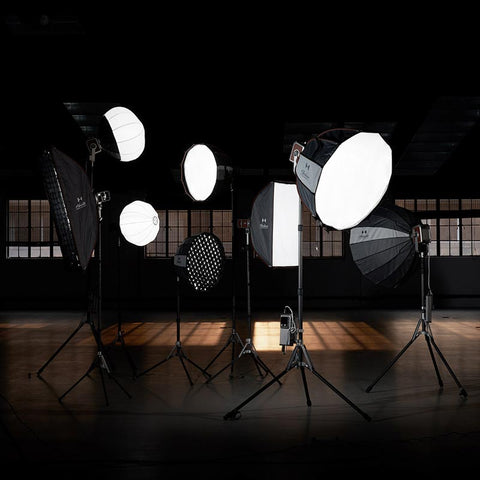
Softboxes and diffusion panels spread light evenly, which is ideal for close-up vlogging. They reduce sharp shadows without eliminating depth.
Budget solutions work too. Bouncing light off a wall or shooting through fabric can soften a light surprisingly well. Height and angle usually matter more than the modifier itself.
Controlling Spill So the Shot Stays Clean
Uncontrolled light spills onto ceilings, walls, and screens. Grids, barn doors, or simple flags help keep things tidy.
Feathering the light with the edge of the beam rather than the center often produces a more natural result.
Step 5: Match Light, Camera, and Skin Tones

Once your lights are dialled in, colour is the next make-or-break detail, because even a great setup can look “off” if your camera isn’t speaking the same temperature as your LEDs.
Color Temperature and White Balance Basics
Choosing one base color temperature simplifies everything. Many vloggers prefer a neutral range that falls within a neutral daylight range.
Overhead lights often clash with LEDs, so turning them off usually instantly improves color. Setting white balance manually prevents unwanted shifts during recording.
Avoiding Glare, Shadows, and Shiny Spots
If glasses are an issue, raising and angling the key light usually solves it. Avoid placing lights directly overhead.
Softer light and slight angling reduce shine. A quick blot before filming often does more than changing camera settings.
Even a great lighting setup can look “off” if your camera settings are at odds with your lights. This step is where you lock in clean color and natural skin tones.
Real-World Vlog Lighting Setups You Can Copy
Use these ready-to-go setups to get a more polished, cinematic look fast.
Desk Vlog Setup
A soft key light off to one side, a white surface for fill, and a small background light for depth. Camera slightly above eye level.
Standing “Talking to Camera” Setup
The key light angled down from the side. Background pulled back and lightly lit. Walls and floors are used for bounce when needed.
On-the-Go or Travel Setup
Window light is used at an angle. A small diffused camera light for evenings. Lamps are used as background accents once harsh overheads are turned off.
Start with the setup that matches how you actually film, copy it once, then tweak one variable at a time, because repeatable lighting is what makes your vlogs look consistently cinematic.
Cinematic Vlogging Is About Control, Not a Giant Studio
Good vlog lighting comes from decisions, not gear lists. When placement, softness, and color are handled intentionally, even a small setup feels professional.
Once a repeatable system is in place, lighting fades into the background, and the focus stays on the content. If you’re refining your setup, thoughtfully designed tools like those from Harlowe can help simplify the process without overcomplicating it.
Pick one setup, test it today, and adjust before upgrading anything else.


