
Wedding days move fast, and the lighting is always changing. One moment, it's the soft window light during bridal prep, and the next, we are dealing with tungsten bulbs in a hotel corridor.
Then comes the harsh midday sun at the outdoor ceremony. Later, it shifts to colored DJ lights at the reception and finally to a dark dance floor that needs clean coverage.
Mixed lighting is unavoidable at weddings. It is better to prepare for it than to chase a perfect moment to shoot. Professional photographers plan for the shift before it happens, which is why they handle it better.
This blog breaks down what an entire wedding day in changing light taught us about gear choices, setup habits, and the backup plans that keep coverage smooth when conditions change fast.
Why Weddings Expose Every Lighting Weakness Fast
Weddings move through multiple environments in a short amount of time. Lighting for wedding photography changes by location, time of day, weather, and venue design.
We cannot pause the schedule to fix the setup. A system that works beautifully in one room may fall apart in the next.
This makes preparation more important than chasing one perfect setup. Rigid lighting setups do not suit wedding days. Such events need setups that can be adapted quickly without losing consistency across the full day of coverage.
Lesson 1: Scout For Light Problems, Not Just Pretty Locations
Each space, from prep rooms to ceremony sites to reception halls, needs its own lighting approach. Even the window direction, ceiling height, wall color, and existing bulb types affect the final result.
The biggest problem is spaces that look warm and inviting in person but fall apart on camera. Once mixed lighting comes into play, a yellow-walled prep room also seems very different on camera than in person.
When we shoot weddings, a venue walkthrough helps us spot lighting issues before they create problems later. It also helps us flag trouble spots before the schedule starts moving.
Lesson 2: One Reliable Core Setup Beats Overpacking Gear

It is easy to assume wedding photography requires a large studio setup, but it usually does not. Too many lights and accessories slow you down on a wedding day.
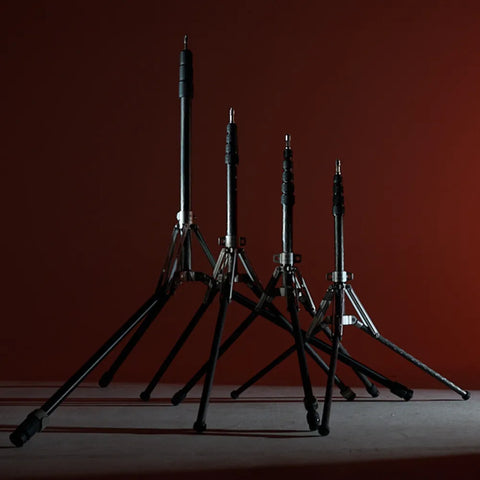
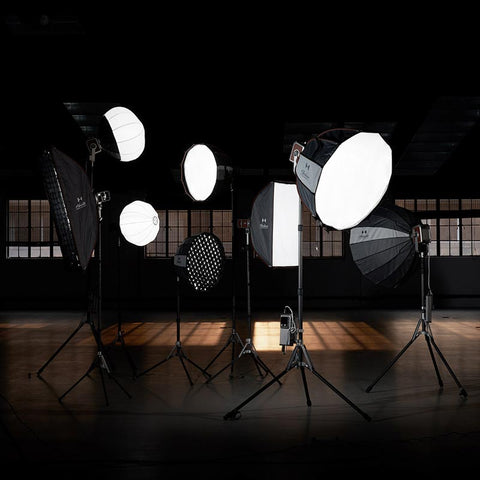
Instead, a repeatable core setup makes transitions between rooms and locations far smoother. The most useful kit is the one we can deploy quickly in different spaces without rebuilding the whole approach from scratch.
A reliable power source, simple modifiers, and fast placement make shooting across multiple locations easier. For example, a Sol bi-color panel and video lighting kit give us the flexibility to match warm indoor light or shift toward daylight balance.
You need to know your setup well enough to use it under pressure. That matters as much as choosing the right lighting kit in the first place.
Lesson 3: Mixed Color Temperatures Are A Bigger Problem Than Low Light
Wedding scenes often have multiple light sources at once. Window light, overhead bulbs, candles, and DJ lights all bring different colors into the frame.
This is a common challenge in mixed-lighting photography, where light pulls the image in different directions. When those sources compete, a few problems show up fast:
-
Skin tones look uneven or unnatural.
-
Different parts of the frame shift between warm and cool.
-
The scene feels off, even when it is bright enough.
In wedding photography, brightness is often not the real problem. Messy color is. Increasing light won’t fix it; instead, control or simplify the color.
Preparation comes down to making the right call in the moment:
-
Match the room’s existing light
-
Overpower it with your own light
-
Or avoid it if it’s working against you
So remember: brightness is not always the real problem. Solving the color conflict is what makes wedding coverage look consistent.
Lesson 4: Backup Power And Backup Placement

Always keep a backup plan ready, with spare equipment and a second move in mind before you need it. We all know that wedding timelines do not pause for dead batteries or awkward outlet placement.
Backup batteries, charging plans, and portable power protect the flow of the day without slowing down the shoot at the worst possible moment.
Some rooms look workable until a light stand placement gets blocked by furniture, guests, or venue restrictions you did not anticipate. In that case, a second placement option can save the shot faster than a second piece of gear.
A charging dock helps with fast recharging and removes one of the most common sources of stress on a long wedding day.
Lesson 5: Reception Lighting Needs Its Own Strategy
Reception lighting is often the hardest part of the day. Ambient light drops, colored sources increase, and movement picks up.
The approach that worked during ceremony coverage or portraits may not suit the reception.
Wedding photography needs a clean strategy for speeches, first dances, and open-floor coverage. Continuous light can work well here when it is positioned for clear subject separation.
Always plan the reception setup separately instead of treating it as an extension of everything that came before.


Lesson 6: The Best Backup Plans Are Simple Enough To Use Under Pressure
The best backup plan is the one you can remember and use without slowing down. If the backup lighting plan is too complex, it will probably fail.
The strongest backup is just a simpler version of the main plan, and you can fall back on it without stressing.
Good preparation leads to faster decisions instead of last-minute improvisation. You should already have an answer if the room gets darker, warmer, tighter, or more crowded.
Here’s how this works practically:
-
For outdoor wedding photography lighting, shift to a single portable key light when the sun drops faster than expected.
-
For indoor reception coverage, use only one clean source rather than maintaining a full multi-light setup.
In any case, keeping your backup lighting plan simple and adaptable ensures you’re always ready to capture the perfect moment without hesitation.
Build a Wedding Lighting Plan That Works Under Pressure
Shooting a full wedding in mixed lighting taught us that great coverage depends less on perfect conditions and more on how well we prepare for imperfect ones.
Simplify the core setup, plan for color shifts, and build backup options that are fast enough to use when the schedule does not slow down.
When you are ready to put that plan into practice, explore Harlowe’s portable lighting tools built for fast deployment and consistent output across changing environments. Build a kit that keeps up with the pace of the day.


