
A new year has a way of exposing old studio habits. The lights still turn on, the camera still works, but something feels slightly off. Shadows land where you don’t want them. Color takes longer to fix. Setups feel cluttered, even when nothing has technically changed.
We’ve been there. Most of us don’t need a full studio rebuild to start fresh; we need smarter lighting decisions. A few intentional upgrades can make your space easier to work in, faster to reset, and noticeably better on camera.
This guide walks through how we audit our own studio lighting, decide what’s actually worth upgrading, and rebuild our setup so 2026 shoots feel cleaner, calmer, and more professional without unnecessary gear.
Step 1: Audit Your Current Studio Lighting (What’s Actually Not Working?)
Before upgrading a single light, take ten minutes to get brutally honest about what’s slowing you down.
Identify the Pain Points
Before buying anything, we look at what’s frustrating us during real shoots. Mixed color casts. Skin tones that never quite match. Hot spots on products. Noise creeps into the footage because the room feels dim.
We usually write these down as plain statements: too slow to set up, hard to repeat, background looks messy, and lighting feels flat. Then we pull up work from the past year and note what we liked and what quietly bothered us every time we edited.
Patterns show up fast when we look honestly.
Map Your Existing Gear and Layout
Next, we list what we already own: studio lights, photography lights, modifiers, lighting stands, and backgrounds. We sketch where the camera usually lives and how often the lights get moved.
Some gear earns its place. Some collect dust. That distinction matters when planning upgrades that actually improve workflow.
Once we see what’s causing friction and what’s actually getting used, our next upgrade choice gets obvious. We also note where the frustration happens: talking head, tabletop, or background separation.
Step 2: Upgrade Your Key Light First (Your Main Workhorse)

The first thing to upgrade to start 2026 is the key light, the fixture that determines how everything else looks.
What a 2026-Ready Key Light Should Do
The key light does heavy lifting. Ours needs to be a continuous LED with adjustable output and color temperature, accurate enough that skin tones don’t drift, and powerful enough to handle darker rooms without pushing ISO.
Consistency matters more than maximum brightness.
Softness and Shape: Modernizing the Look
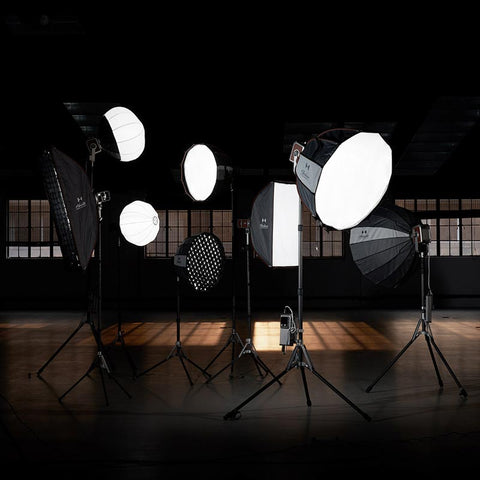
Upgrading a softbox often changes more than upgrading the light itself. Better diffusion, a larger source, or a quicker setup design instantly makes footage feel smoother and more intentional.
Grids are another quiet upgrade. They keep the light where we want it and off the walls we don’t.
Placement Presets for Different Content Types
We keep default positions marked: one for talking-head content, one for tabletop work, and one flexible position for experiments. That alone saves time every week.
With a dependable key, the right modifier, and a few marked placements, “good light” becomes automatic. We set one ‘default’ key position and save it: same distance and same height, so lighting isn’t a daily decision.
Step 3: Rethink Fill, Background, and Accent Lighting
Once the key is solid, the next upgrade is control: fill, background, and accents that add shape without cluttering the scene.
Smarter Fill: From Flat to Intentional
Fill light doesn’t have to erase shadows. Sometimes we skip it entirely. Other times, a reflector or low-power light lifts just enough detail to keep faces readable.
We keep simple “recipes” depending on what we’re shooting.
Background Lights That Do More Than Just “Turn On”
A dedicated background light changes everything. Instead of blasting a wall evenly, we use subtle gradients or controlled pools of light.
Practical elements such as lamps, shelves, and signs work best when they’re lit on purpose, not accidentally.
Accent and Edge Lights for a Modern Studio Look
Small accent lights add polish. A soft edge on the shoulders. A hint of separation on products. When used sparingly, they elevate the frame without stealing attention.
Keep these lights subtle and purposeful, and your frame starts looking “built,” not just lit.
Step 4: Upgrade Your Stands, Mounts, and Cable Management

If the lights are good but the setup still feels chaotic, the problem is usually grip and cables, not the fixtures.
Stands and Mounts You Don’t Fight With
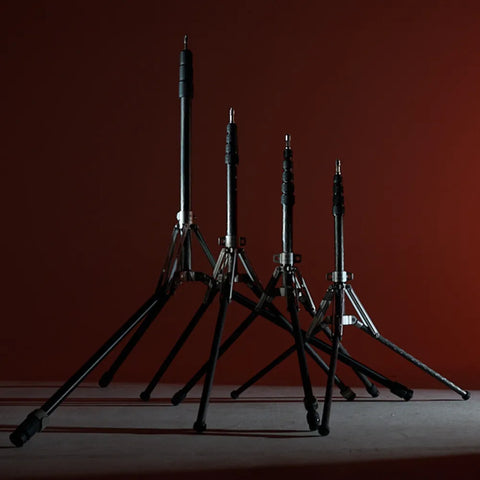
Wobbly stands slow everything down. Stable lighting stands that fit the room make a bigger difference than most people expect.
Boom arms, wall mounts, and quick-release systems free up floor space and reduce friction.
Cable and Power Clean-Up
We route cables along walls, label power supplies, and keep a simple “lights on” order. Clean floors aren’t just safer, they make the studio feel calmer.
When stands stay put, and cables disappear, every shoot starts faster and feels instantly more professional.
Step 5: Bring Your Color Game Into 2026

Color is where most home studios lose time, so in 2026, we treat white balance like a system, not a guessing game.
Stop Fighting Mixed Light Sources
We choose one default color temperature and commit to it. Overhead bulbs that clash get turned off or replaced. Window light gets controlled.
Fewer variables mean fewer fixes later.
Consistent Color = Faster Edits
Custom white balance and repeatable LED settings save hours across a year. We keep reference shots, so recurring content always matches.
Creative Color (When You Want It)
When we add color, it’s intentional. Gels or RGB accents bring in New Year energy or brand tones, while the key light stays neutral.
Lock the neutral baseline first, then add color on purpose; gels and RGB accents should feel like a choice, not a correction. We pick one baseline color temp for the room and lock it, then build everything else around that.
Make 2026 the Year Your Studio Works With You, Not Against You
A fresh start isn’t about replacing everything; it’s about better light, faster resets, and a setup you can repeat without guessing. Upgrade your key first, tighten control with the right modifiers, and clean up your rig so every shot feels easier from the first frame to the final export.
Explore Harlowe’s best-selling studio lights and modifiers to build a reliable foundation.


