
Buying lighting gear as a beginner can be expensive. Without much prior knowledge of photography gear, building the right setup can feel overwhelming.
One minute, we are looking for a simple starter setup, and the next, we are comparing softboxes, LED panels, stands, modifiers, batteries, and studio lighting kits that all claim to be essential.
The result is usually the same: too much gear, very little clarity, and at least one purchase we wish we had skipped. Lighting for beginner photography gets much easier once we stop shopping based on hype and start choosing based on how we actually plan to shoot.
This guide breaks down which photography lighting equipment for beginners matters first, what can wait, and how to build a setup that helps us learn without filling a closet with gear we will never use properly.
Why Beginners So Often Buy The Wrong Lighting Gear
As beginners, we often buy lighting gear based on price, bundle size, or what a popular creator uses, rather than on function. In doing so, we end up purchasing gear that does not match the way we want to shoot.
Many starter kits look complete, but they do not actually fit real shooting needs. This makes it easy to overestimate how much equipment is needed in the early stage.
Gear regret usually shows up later, after we buy new gear without understanding our actual shooting style.
We must remember that a good first setup helps us learn about light and its behavior. It should not just give us more accessories to manage.
Start With One Question: What Are You Actually Shooting?
Before buying any lighting gear, answer two basic questions:
What Are We Shooting?
If we are shooting portraits, products, content, or general practice:
-
Portraits: Need softer, more flattering light placement.
-
Product Photography: Demands control over reflections and surface spill.
-
Social Media Content: Needs a simple setup that is easy to assemble.
-
General Practice Setups: Should stay flexible and easy to adjust as skills develop.
Where Are We Shooting?
Space matters just as much:
-
Small Studio: Benefit from compact, controlled gear.
-
On-The-Go Shooting: Demands portable lighting and a simple stand.
-
Permanent Studio Spaces: Can handle slightly larger modifiers and stands.
For a beginner, the choice of setup depends less on what is popular and more on where and what is shot most often.
The Core Gear Beginners Usually Need First
A beginner studio lighting kit should prioritize control, softness, and stability before anything else. These four pieces are perfect for beginners:
#1: One Reliable Main Light

-
Start with one light that can be positioned and controlled well.
-
Ensure the light has adjustable CCT (2700K to 6500K) and 0–100% dimming.
-
Keep the setup simple and consistent.
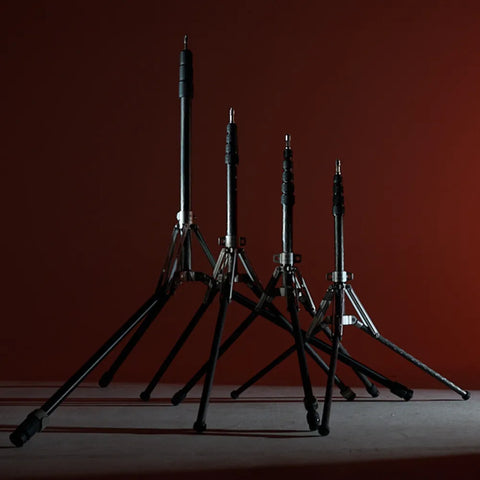
#2: A Stable Stand
-
Invest in a stable stand that mounts the light safely and can be reused.
-
Avoid buying a shaky stand; it makes the whole setup unreliable.
-
The best option is a compact desktop or full-height stand with a secure lock.
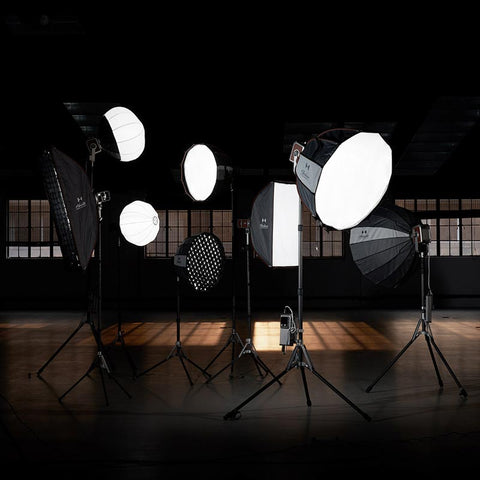
#3: A Modifier
-
Soft light is easier to work with across portraits, products, and content.
-
A basic softbox or diffusion panel gives more flattering results from the very first session.
#4: A Simple Bounce or Reflector
-
Bounce helps control shadows without the need for a second powered fixture.
-
It is one of the most effective and least expensive upgrades to a beginner setup.
With these four basics in place, beginners can learn faster, shoot more confidently, and avoid wasting money on gear they do not need yet.


What To Skip At The Beginning
As beginners, our early investments should go into gear we can keep using as our skills improve.
Our initial investment should exclude:
1. Large Multi-Light Kits
-
Multiple light kits do not guarantee better results.
-
They require more setup, more coordination, and more practice.
-
Extra lights make learning harder.
2. Cheap Accessories That Look Useful But Are Not
-
Some kits include items that add clutter more than value.
-
Beginners often replace these as they improve.
3. Gear That Solves Problems We Have Not Faced Yet
-
Specialty modifiers, large battery systems, and advanced accessories can wait until our shooting needs are sorted.
-
Buying gear too far ahead of need creates clutter more than confidence.
Beginner photographers should build from the basics and fully understand one setup before expanding it.
-
Prioritize easy controls over advanced features.
-
Gear must give a predictable output to help beginners learn how light behaves.
-
Compact, manageable-sized photo studio lights are often better than oversized ones.
-
Easy to set up, adjust, and repeat across every shoot.
We should focus on gear that offers these features. An easier setup helps us improve faster and takes less time to build each time we shoot.
Red Flags That A Purchase Might Turn Into Regret

Before investing in new gear, think about how it will actually fit into our workflow.
Many purchases feel right in the moment, then turn into regret later. Be careful with a purchase if any of these are driving the decision:
-
Buying a bundle because it looks impressive rather than useful.
-
Choosing based only on price without thinking about actual use.
-
Buying multiple lights before learning one-light control.
-
Picking oversized gear for a small room or a portable workflow.
-
Ignoring setup time, storage, and ease of use in the real shooting space.
If the gear makes practice harder, takes too long to set up, or does not match our shooting style, regret usually follows.
Build A Beginner Lighting Setup You Will Still Feel Good About Later
Choosing photography lighting equipment for beginners gets much easier once you start focusing on what is actually useful first. A simple, reliable kit teaches more, wastes less money, and builds a stronger foundation for better work over time.
The goal is not to buy everything at once. It is to build a setup we will actually use, understand, and grow into.
When you are ready to take that first step, explore Harlowe’s compact lighting tools designed to grow with your practice, and start with the setup that fits how you actually shoot.


