
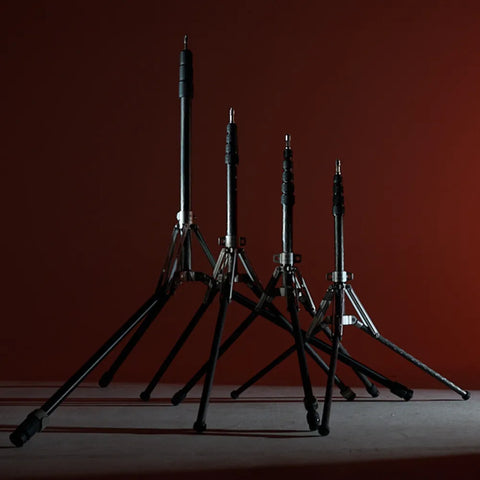
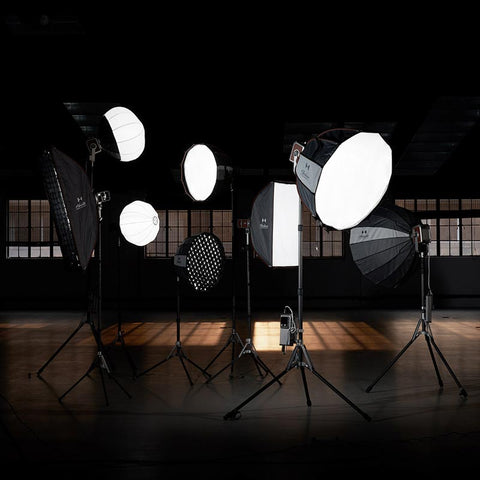
Creators love upgrading lights. We see a brighter LED panel, a new modifier, or a compact travel fixture and immediately imagine how much better our footage will look. Then the stand starts drifting.
Sometimes the light slowly dips during a recording. Sometimes the stand shifts when we move a cable. Other times, we spend far too long adjusting the height just to get the angle right. Suddenly, the lighting issue isn’t about brightness or color temperature at all. It’s the stand.
A reliable lighting stand doesn’t just hold gear. It protects consistency, shortens setup time, and keeps lights exactly where we place them. When the foundation is stable, everything above it becomes easier to manage.
In this guide, we’re comparing lighting stands using the three factors that actually affect daily shooting: height, stability, and setup speed. Once we understand how these three elements work together, choosing the right stand becomes far simpler.
The Big Three: Height, Stability, And Setup Speed
When comparing light stands, dozens of small features appear on product pages. In reality, three things shape our everyday experience.
Height
Height determines where we can actually position our lights.
Most creators prefer a key light that sits slightly above eye level and angles downward toward the subject. That small adjustment softens facial shadows and creates a more natural look on camera.
If the stand can’t comfortably reach that height, we end up placing the light too low. The result is flatter lighting and less control over the scene's look.
Stability
Stability keeps the light from moving once it’s positioned.
Even a small movement can affect how light falls on a subject. A stand that flexes or shifts slightly may not seem like a big issue in the moment, but over the course of a recording, it can change the entire lighting pattern.
A stable lighting stand protects both the shot and the gear mounted on top.
Setup Speed
The third factor creators notice quickly is adjustment speed.
If changing the height requires slow twisting and tightening, we naturally avoid adjusting it. Over time, that friction leads to “good enough” lighting instead of the placement we actually want. Stands that adjust quickly make it easier to experiment and reset between shots.
When a stand handles height, stability, and speed well, the entire lighting setup starts to feel creator-friendly rather than frustrating.
Height: How Tall Do You Actually Need?

The right height depends heavily on the type of content we create.
Seated Creator Setup
For seated setups like livestreams, tutorials, or podcast recordings, the key light usually needs to sit slightly above eye level.
That position allows the light to fall naturally downward without creating harsh shadows under the chin or nose. If the stand barely reaches that height, we end up extending it to the maximum every time.
A little extra height range gives us more flexibility.
Standing Content And Full-Body
Standing videos require more height than most creators initially expect. When filming full-body content, the light still needs to angle downward to look natural. That means the stand often has to extend higher than it would for a desk setup.
Creators working on reels, tutorials, or fitness content tend to feel these limitations quickly.
Overhead And Top-Down
Top-down lighting introduces a different challenge.
The stand needs both height and positioning flexibility. Some stands extend high enough but struggle to place the light safely over a table or workspace.
When overhead positioning becomes part of the workflow, stability and reach become just as important as height itself.
It’s usually better to buy a stand with slightly more height than we currently need.
Stability: What Actually Makes A Stand Reliable
Height alone doesn’t make a stand reliable. Stability determines whether that height is actually usable.
Leg Spread And Footprint
A wider footprint generally creates a more stable base. Larger leg spreads distribute weight more evenly, especially when lights or modifiers become heavier. Smaller footprints can work well in tight rooms but leave less margin for bumps or cable pulls.
Center Column And Flex
The more we extend a stand, the more leverage works against it.. Thin center columns can flex slightly under weight, which introduces small movements that show up on camera. Higher-quality stands often reinforce these sections to reduce that wobble.
Load Rating
Load ratings can be misleading. A stand might technically support a light’s weight, but once modifiers, cables, and height adjustments come into play, the real stability may feel different.
Height, weight distribution, and movement around the stand all influence how stable it actually feels.
Modifier Size Changes Everything
Large softboxes or diffusers behave almost like sails. Even indoors, these modifiers catch small air movements and amplify instability. Once we start using diffusion, stability matters even more than the light’s weight alone.
Sandbags And Counterweighting
When stands extend higher or support larger modifiers, weighting the base becomes essential. Adding sandbags may seem excessive at first, but it’s a common safety practice across professional lighting setups.
If the stand feels stable only at low height, it may not be stable enough for real shooting conditions.


Set up Speed: The Feature Creators Feel Every Day
The final factor shows up every time we film.
Locks: Flip Vs Twist
Different stands use different locking mechanisms.
Our stands feature twist locks designed for quick, efficient adjustments, ensuring a smooth, speedy setup every time.
Air Cushioning And Controlled Drops
Our stands are designed with a safety-first approach, offering stable, controlled adjustments without relying on air cushioning. This ensures secure positioning, reducing the risk of sudden drops and potential damage to both the fixture and the stand.
Fast Height Marks And Repeatability
Some stands include height markings or repeatable sections. These small details help us quickly return to the same position, especially when recreating lighting setups across multiple filming sessions.
The best stand is the one that lets us adjust lighting without slowing down the shoot.
The Main Stand Types Creators Buy
The best lighting stand for us depends heavily on the kind of content we create most often. A creator filming quick reels will prioritize different features than someone recording long podcasts or shooting product footage. Thinking about our workflow first makes choosing the right stand much easier.
Compact / Travel Light Stands
Best for quick setups, small lights, and portable filming situations.
Trade-offs include lower maximum height and reduced stability at full extension.
Standard Studio Light Stands
These are the most common stands used by creators.
They balance height, stability, and portability, making them suitable for everyday filming setups.
Heavy-Duty Stands
Heavier stands support larger lights and modifiers. They’re less portable but offer greater stability for more demanding lighting setups.
C-Stands
C-stands are popular in professional production environments. They provide excellent stability and support for grip accessories, though they are heavier and require a short learning curve.
Boom Stands And Overhead Solutions
Boom stands allow lights to extend outward or above a subject. They’re especially useful for overhead lighting setups but require proper counterweighting.
Matching the stand type to the work we do most often prevents unnecessary frustration later.
Choose a Light Stand That Holds Position Mid-Shoot

Lighting stands rarely get the spotlight, but they shape how smoothly a lighting setup actually works.
When we choose the right height for framing, the stability for modifiers, and the speed for daily adjustments, our lights finally do what we expect them to do: stay in place and keep the scene consistent.
Harlowe’s dependable lighting stand turns constant adjustment into a more reliable creative workflow.


